
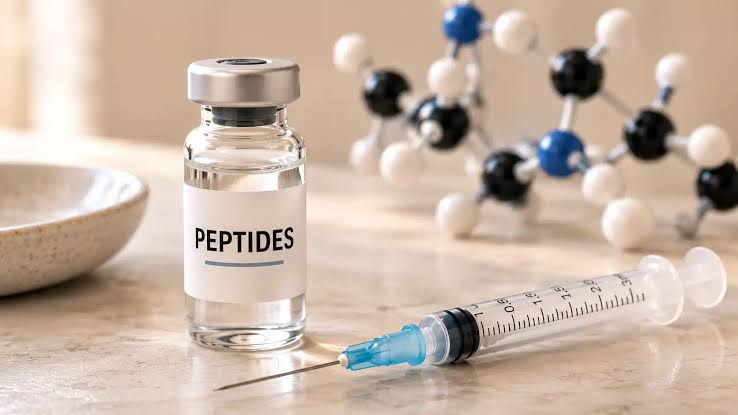
Buying research peptides online looks simple, but small errors can lead to wasted money, unusable material, or legal trouble. Here are the most common mistakes Australian buyers make, and how to avoid them when ordering from Quantified Peptides or any other supplier.
Mistake 1: Ignoring the Legal Status
The biggest error is skipping the regulatory check. The Therapeutic Goods Administration (TGA) oversees therapeutic goods, and many peptides appear in the Poisons Standard as Schedule 4 (prescription-only) or Schedule 10 (prohibited) substances. Scheduling changes over time, so always confirm the current status of each compound on the TGA website before ordering. If you work within an institution, consult its compliance team first.
Mistake 2: Treating Research Peptides as Products for Personal Use
Research peptides are sold for in-vitro laboratory use only. They are not medicines or supplements, and they must not be injected, ingested, or given to animals. Buyers who treat them otherwise take on serious safety and legal risks. If your interest is therapeutic, the lawful route is a registered medical practitioner.
Mistake 3: Choosing on Price Alone
An unusually low price can signal under-dosed, impure, or poorly handled product. Cheap material that ruins an experiment costs more than reliable material bought at a fair price. Compare suppliers on documentation and transparency, not just the figure at checkout.
Mistake 4: Not Requesting a Batch-Specific COA
A Certificate of Analysis should be tied to the exact lot you are buying. Some buyers accept a generic certificate or none at all. Look for HPLC purity data and mass spectrometry confirmation of identity, ideally from an independent laboratory. Reused documents across batches are a warning sign.
Mistake 5: Overlooking Product Specifications
Many buyers do not check the sequence or CAS number, molecular weight, salt form, or whether the stated quantity is net peptide content or gross weight. These details affect concentration calculations and assay results, so confirm them before you order.
Mistake 6: Ignoring Shipping and Storage
Heat can degrade sensitive material, and Australian summers make long transit risky. Ask where stock is held and how parcels are packed. If a supplier ships from overseas, ask how customs are handled, since scheduled substances can be seized at the border. On arrival, check seals, record the lot number, and store the vials as directed, usually cold, dry, and protected from light.
Mistake 7: Falling for Marketing Claims
Be wary of any seller promoting weight loss, muscle gain, healing, or dosing guidance. These claims show disregard for regulation and are a sign to look elsewhere. Pressure tactics such as countdown timers and constant “last chance” banners are also worth treating with suspicion.
Mistake 8: Poor Record-Keeping
Keep invoices, COAs, and lot numbers with your lab notes. If a result looks odd later, you can trace the material and rule out supply issues. Institutions and auditors may also request these records.
Applying This to Quantified Peptides
Looking for a research peptide supplier in Australia? Quantified Peptides offers transparent documentation, quality-focused standards, and products labelled for laboratory research use only, with no therapeutic claims.
Final Thoughts
Most buying mistakes come from rushing. Check the law, demand documentation, read the details, and keep good records. A little diligence protects your research, your budget, and your compliance standing.