
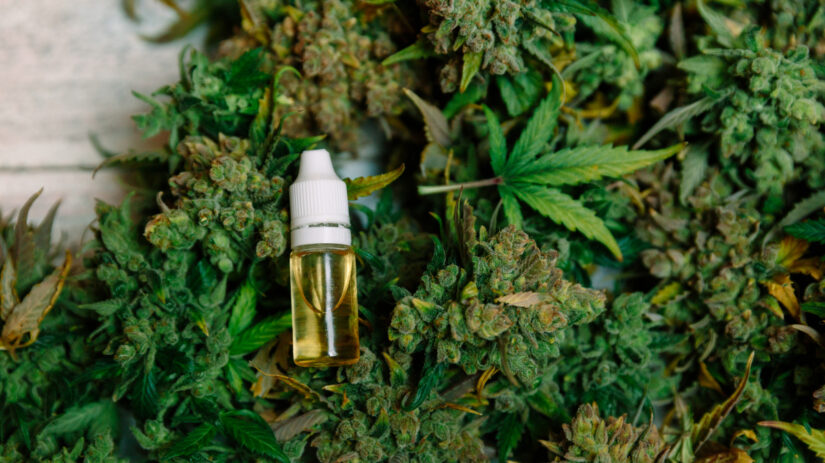
Medical cannabis has emerged as a promising alternative treatment for various health conditions in Australia. As more patients and healthcare providers recognize its potential benefits, understanding the factors influencing its pricing becomes crucial.
Legal Framework and Accessibility
Australia legalized medical cannabis in 2016, yet navigating its accessibility remains a complex journey. The Therapeutic Goods Administration (TGA) oversees its regulation, requiring patients to obtain prescriptions from authorized medical practitioners. This regulatory framework affects the availability and cost of medical cannabis products.
Factors Influencing Pricing
- Regulatory Compliance: The stringent regulatory requirements contribute significantly to the pricing of medical cannabis. Licensed producers must adhere to strict quality standards and compliance measures set by the TGA, which adds to production costs.
- Production Costs: Cultivating and processing medical-grade cannabis involves specialized techniques and facilities. Factors such as indoor cultivation, specific lighting, and climate control systems increase production costs, subsequently influencing product pricing.
- Research and Development: Ongoing research into medical cannabis for therapeutic use requires substantial investment. Companies conducting clinical trials and developing new formulations incur expenses that reflect in product pricing.
- Importation and Distribution: Until local production scales up, Australia relies on imported medical cannabis products. Importation costs, including tariffs, shipping, and handling fees, contribute to the final retail price.
- Prescribing and Consultation Fees: Patients seeking medical cannabis must consult with registered healthcare practitioners. These consultations and the prescription process involve fees that impact overall treatment costs.
Pricing Dynamics Across Product Types
Medical cannabis products vary in formulation, potency, and administration method, each influencing their pricing:
- Oils and Tinctures: Often priced based on cannabinoid concentration (CBD and THC levels), extraction methods, and volume.
- Capsules and Tablets: These products offer standardized doses, affecting pricing based on production complexity and formulation.
- Dried Flower: Priced based on strain potency, cannabinoid profile, and production methods.
Market Challenges and Future Outlook
Despite growing acceptance and demand, challenges persist in making medical cannabis affordable and accessible to all patients in Australia:
- Insurance Coverage: Limited insurance coverage for medical cannabis increases out-of-pocket expenses for patients.
- Supply Chain Constraints: Delays in importation and local production affect product availability and pricing stability.
- Educational Awareness: Healthcare provider education and public awareness initiatives are crucial to increase acceptance and utilization, potentially influencing pricing through increased demand.
The cost of medical cannabis in Australia reflects a complex interplay of regulatory requirements, production costs, and market dynamics. As the industry matures and regulatory frameworks evolve, efforts to streamline access and affordability will be pivotal. Patients, healthcare providers, and policymakers must collaborate to navigate these challenges and ensure that medical cannabis becomes a viable therapeutic option for those in need.
By understanding these factors, stakeholders can work towards a future where medical cannabis is not only accessible but also affordable, meeting the diverse healthcare needs of Australians across the country. Explore the current landscape of medical cannabis prices in Australia, including regulatory influences and factors affecting accessibility and affordability.
Exploring Alternative Migraine Treatments
For migraine sufferers seeking alternative migraine treatment to traditional medication, several promising treatments offer relief:
- Acupuncture and Acupressure: Traditional Chinese practices that aim to rebalance energy flow and relieve pain.
- Herbal Remedies: Feverfew and butterbur are herbs known for their potential to reduce migraine frequency and severity.
- Biofeedback: Helps patients learn to control physiological responses like muscle tension, potentially reducing migraine triggers.
- CBD and Medical Cannabis: Emerging research suggests cannabinoids may alleviate migraine symptoms by reducing inflammation and pain perception.
Exploring these alternatives should be done under the guidance of a healthcare provider to ensure safety and effectiveness. Each person responds differently to treatments, so a personalized approach is essential to find the most effective solution for managing migraines.